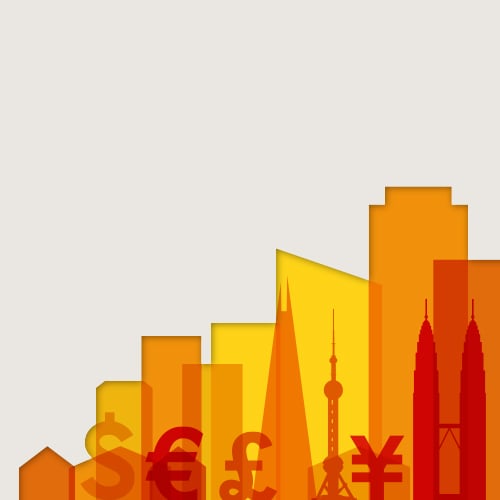
Soft power and gut instinct is driving an estimated US$250bn per year in overseas real estate investment, showing that feeling rather than data analysis determines many investment decisions.

Real estate and construction is probably not the first sector that comes to mind when you think about environmental sustainability. The construction process consumes large amounts of natural resources and energy, and can create significant waste. While the progress of development continues to add to our quality of life, the built environment is responsible for approximately two-fifths of global energy use and a third of carbon emissions. This means that, from design to demolition, the buildings in which we live, work and play have a huge impact on the environment.
Grant Thornton looks at the potential impact of IFRS 15 'Revenue from Contracts with Customers' for revenue recognition in the construction industry.
Developers, property companies, investors and homeowners suffered disproportionately during the financial crisis. But now, finally, expectations for profitability, jobs and orders are all on the rise.
The presence of fraud and corruption in construction can take many forms; from falsely representing the number of hours a contractor works, through to collusion when bidding for contracts or paying bribes to secure a contract. These inevitably increase costs and, in the case of bribes, inflate the contract price.