New research from the Grant Thornton International Business Report (IBR) reveals that while business confidence in 2014 climbed to levels not seen since before the financial crisis, a recent spate of uncertainty is weighing on growth prospects for the year ahead.

Real estate and construction is probably not the first sector that comes to mind when you think about environmental sustainability. The construction process consumes large amounts of natural resources and energy, and can create significant waste. While the progress of development continues to add to our quality of life, the built environment is responsible for approximately two-fifths of global energy use and a third of carbon emissions. This means that, from design to demolition, the buildings in which we live, work and play have a huge impact on the environment.
Businesses in the world’s three biggest economies, the United States, China and Japan, are increasingly feeling the heat when it comes to recruiting skilled staff. Given that these countries together represent over a third of global output, a deficit of skilled staff could have a significant knock-on effect on economic growth not just in these economies but beyond.
Drawing on data and insight from the Grant Thornton IBR, the Economist Intelligence Unit and the International Monetary Fund (IMF), this short report considers the outlook for the Thai economy, including the expectations of 200 business leaders interviewed in Thailand and more than 10,000 globally, over the past 12 months.
With momentum building towards the UN Climate Change Conference in Peru, new figures from IBR reveal that businesses leaders in emerging markets are more focused on the sustainability of their operations compared with peers in developed markets.
Investor calls for transparency and the rise of social media have thrust the impact businesses have on the economy, the environment and society more firmly into the spotlight. Drawing on more than 2,500 interviews with business leaders in 34 economies, Corporate Social Responsibility: beyond financials, looks at how companies are responding to this challenge; how they are making their operations more sustainable and what role they feel integrated reporting can play.
The newsletter aims to cover tax developments on a regional and international basis.
The third edition in our 'Future of Europe' series looks at three distinct aspects of the regional business, economic and political landscape: recovery, integration and expansion.
The economy of France continues to suffer as the eurozone crisis continues. Following a deep contraction in 2009, the economy recovered robustly, posting seven consecutive quarters of expansion. However, France has stagnated over the past two years as problems in southern Europe intensified, with growth slowing as unemployment and government debt rise.
Presidential elections in some of the world’s largest economies, the sovereign debt crisis and the US fiscal cliff have all contributed to a global sense of economic uncertainty. How are major and developing markets faring in the face of these developments and what does the year ahead have in store?
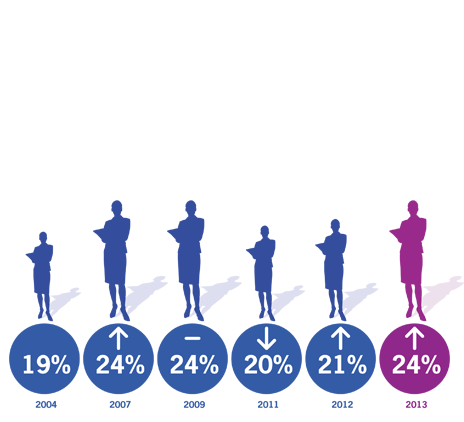
Our International Business Report with insights gained from in-depth interviews with five senior female executives from around the world, this report looks at the role of education in improving female participation and how this can help boost business growth.
The appetite for cross-border deals has rocketed by 18% during the past 12 months. This is the key finding from our latest research that looks at attitudes to mergers and acquisitions (M&A) among business leaders worldwide.